
From the hush of a library to the echoing grandeur of a cathedral, acoustics quietly shape how we experience the built environment. Sound does more than fill a space; it defines it. It can often be an invisible layer of design, but its effects are tangible. The way voices carry in an open-plan office, how traffic noise filters into a classroom, or how music resonates in a concert hall, all influence our comfort, behavior, and emotional response to the built environment. Acoustics affects speech intelligibility, privacy, productivity, and even well-being, yet it often goes unnoticed until something feels “off.” As an increased priority is put on human-centered spaces, understanding the science of sound, how it reflects, absorbs, diffuses, and travels, is essential to creating environments that not only look good, but truly support the way we live, work, and connect.
At Henderson, we see our work as a translation between physics and feeling; between how a space is built and how it’s heard and experienced. For clients and partners, we aim to embrace this dialogue early, so it opens the door to buildings that communicate more clearly, comfort more deeply, and perform more beautifully.
Across project types, the most successful outcomes happen when acoustics are integrated from the beginning and not treated as a post-construction fix. Early coordination allows teams to align on how the building’s geometry, materials, and mechanical systems influence sound. Delaying the involvement of acoustics until after those decisions are made can limit the viable options for what can be accomplished in an already built space and increase the cost of implementation.
In healthcare environments, for example, acoustics are more than a comfort feature; they are a matter of privacy, safety, and regulatory compliance. It is vital that architects and engineers consider how staff, patients, families, and visitors move through spaces and where sound may interrupt or interfere with patient care. The Health Insurance Portability and Accountability Act (HIPAA) requires that patient information be protected not only in digital form, but also in how it is spoken and heard. That means conversations between clinicians, patients, and families must remain protected, even in busy or shared settings. Acoustic design plays a critical role in meeting that standard.
Acoustic considerations also align with sustainability and wellness frameworks like LEED and WELL. While early green building efforts focused heavily on energy efficiency and material sustainability, both systems now recognize that environmental performance must be paired with human performance. Poor acoustic designs like excessive reverberation, intrusive background noise, or lack of speech privacy, can undermine occupant comfort, concentration, and overall well-being, even in the most energy-efficient building. LEED addresses sound transmission, background noise control, and acoustic finishes to improve indoor environmental quality., while WELL places strong emphasis on occupant health, including stress reduction and cognitive performance linked to sound.
For architects and engineers, designing with sound in mind isn’t about adding complexity; it’s about designing holistically. Buildings that both look and sound good perform better for the people who use them.
Proper acoustic design is never one-size-fits-all; it shifts dramatically depending on the industry and the purpose of a building. Each building type carries its own technical standards, user expectations, and performance goals. Because the acoustic challenges and success metrics vary so widely, we will be taking a deeper dive through a series of articles focused on acoustics that will explore tailored strategies for different building types. In this series, we will examine how sound can be intentionally designed to support function, well-being, and experience across diverse environments.
Stay tuned and get ready to learn more from our acoustics team on how we are turning up the volume in the built environment.
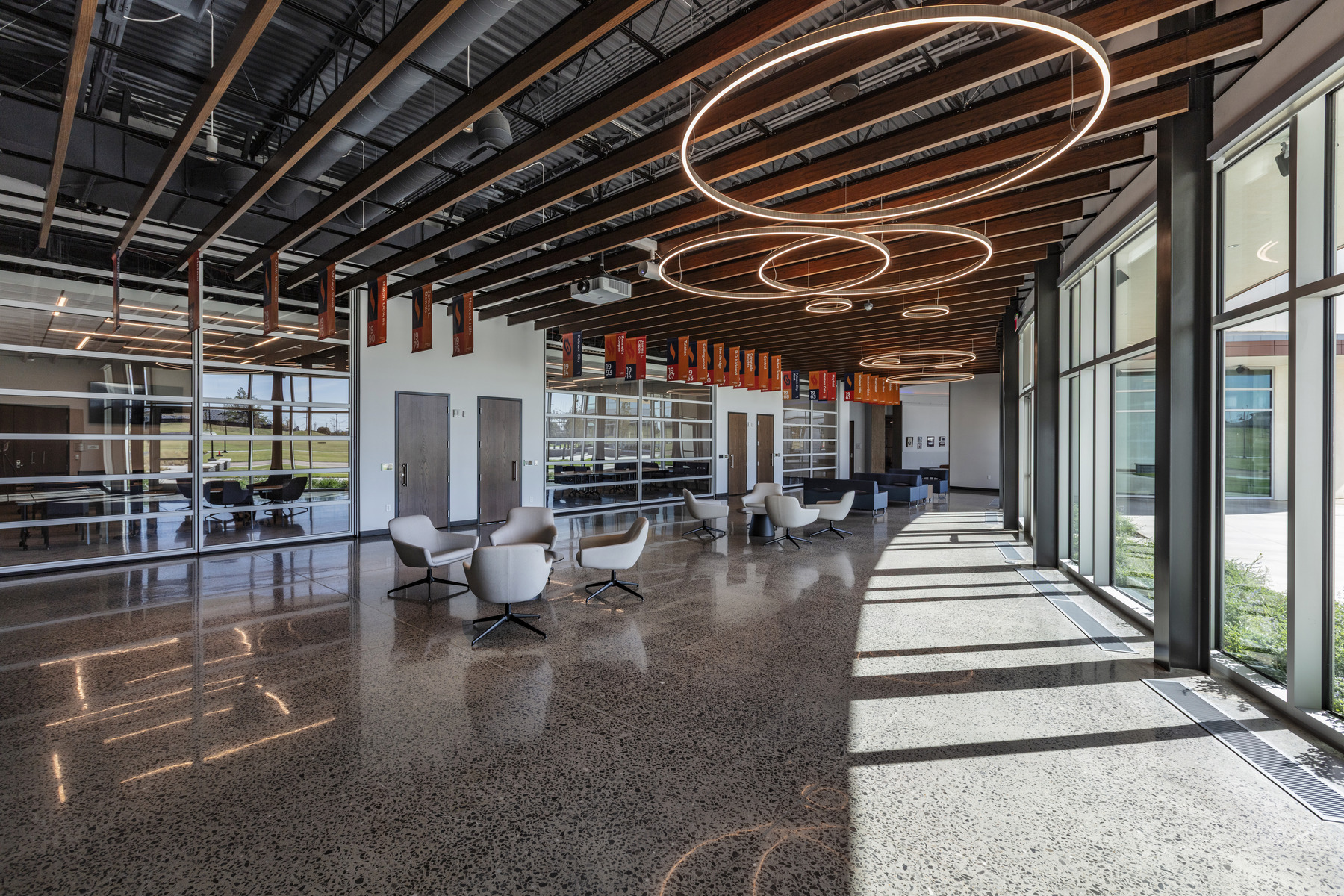
Light is more than illumination – it is an inspiring element of how people experience the built environment. Thoughtful architectural lighting shapes how people perceive, experience, and move through a space. When done well, lighting reveals form, creates unique atmospheres, and ...
Read More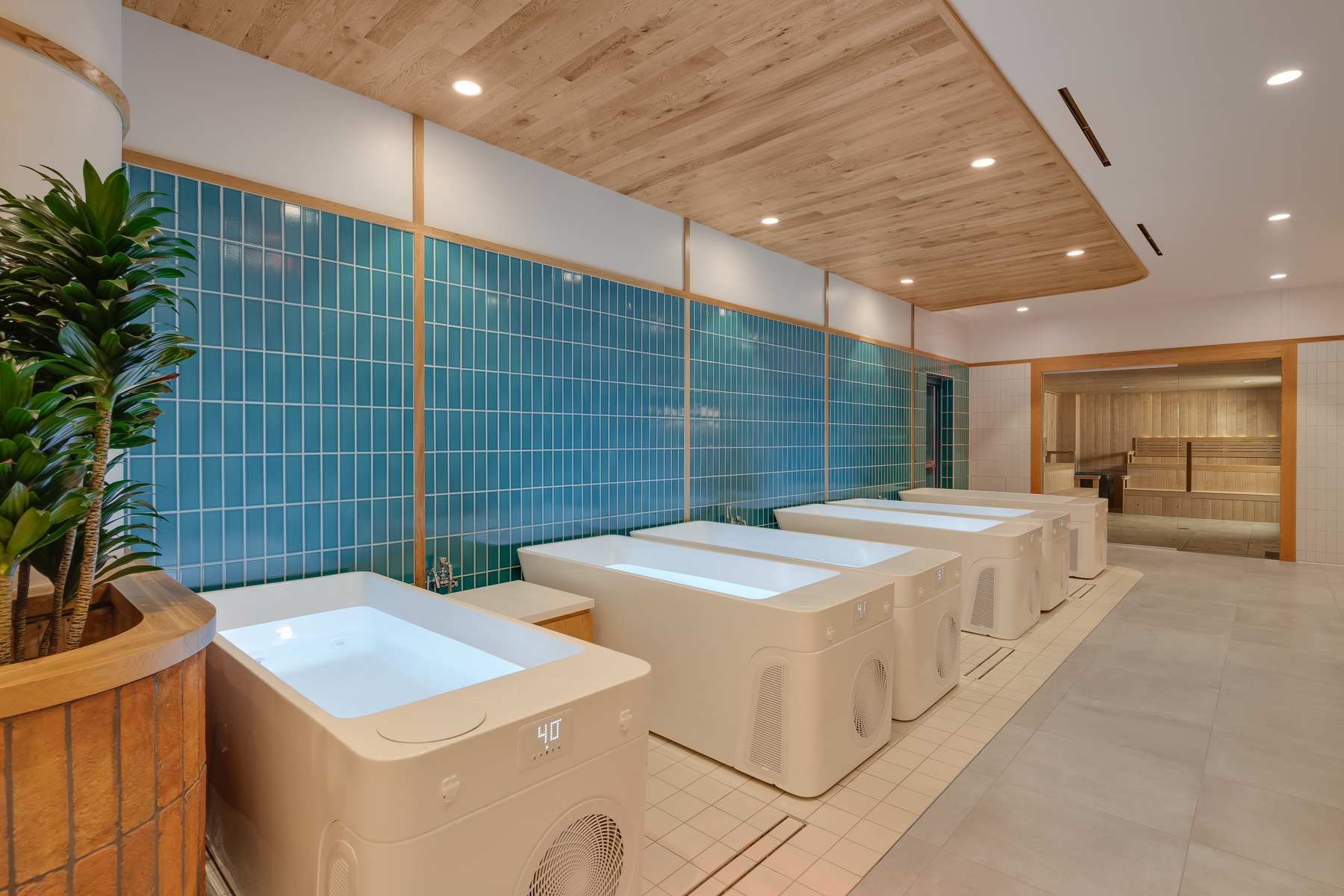
Designing high-performance fitness facilities requires more than strong branding and quality equipment. Behind every successful gym and boutique fitness studio is a carefully engineered system of mechanical, electrical, and plumbing infrastructure that supports the experience fitness enthusiasts expect. As contrast therapies like infrared saunas, steam rooms, and cold plunge pools ...
Read MoreJoin our email list to get the latest design innovations, technical content, new projects, and research from Henderson’s experts delivered straight to your inbox.