
At Henderson Engineers, we focus on systems that prioritize people first. Because we know that at the heart of every design is not the structure or the building systems; it’s the people who seek and provide care in the buildings we design that matter most. When we design healthcare facilities, we always consider what families and staff need to thrive in an environment built for healing.
We know the systems we design affect every stakeholder in your organization – from patients and clinicians to facilities managers. Our outcomes-driven approach places these stakeholders and their interactions with the built environment at the heart of the process. This is why we put such a strong focus on patient-centered design. From airflow to lighting, and acoustic control, every design choice supports patient comfort, staff efficiency, and long-term operational success. No matter what level of care is provided in the facilities we design, the systems people rely on day in and day out are our specialty.
Patient-focused engineering starts with listening and understanding the organization’s goals to create a foundation for innovation. We take the time to understand how each facility will impact the people who use it every day. We consider how our work impacts the workflow of physicians and nurses, the impacts of our systems like airflow and lighting in surgical suites, and visitor comfort as they wait for news about their loved one. What matters to us is designing systems that deliver reliability, comfort, and an environment where care can flourish. That means eliminating unnecessary noise, improving energy efficiencies, maintaining comfortable temperatures, and creating seamless transitions between different care environments.
Recently, Henderson partnered with Cardinal Glennon Children’s Hospital in St. Louis, a facility that has boldly committed to becoming fully electric and carbon neutral. Recognizing that an immediate transition would actually increase emissions due to the region’s fossil-fueled power grid, Henderson crafted a phased hybrid central plant strategy. This approach not only maximized current energy efficiency but also laid the groundwork for seamless future electrification.
By eliminating the need for a steam plant, reducing upfront costs, and lowering long-term maintenance demands, the hospital is now positioned to transition smoothly and cost-effectively to a low-carbon future. More than just an infrastructure upgrade, this strategy reflects a deep commitment to environmental stewardship and community well-being. The hospital will stand as a beacon of healing, not only for its patients, but for the planet and the people it serves. It’s a future-focused investment in health, sustainability, and resilience.
Hospitals are complex environments that evolve over time and their systems must evolve with them. We design systems and spaces to be adaptable over time as patients’ and clinicians’ needs change. We evaluate every decision, from energy efficiency to system capacity, with a focus on total cost of ownership, maintenance, and long-term performance. This approach benefits hospitals and small specialty clinics alike. By anticipating change, we can design hospitals that deliver excellent care without interruption. Knowing that change means progress for good, we design our facilities to be adaptable and flexible to adjust as new and different conditions arise.
While patient care is the core of these facilities, we also design with logistics in mind, making sure that the information you need to adapt your business is readily available. Our systems are capable of collecting myriad data that is useful and insightful to internal stakeholders and operations management teams to help inform their day to day. This information can help facilities meet their goals, mandates, and anticipate maintenance concerns before they happen, keeping the facility functioning and the focus on care.
But it doesn’t end there. Our internal healthcare practice group and technical development teams ensure that lessons learned from past projects – in and outside the healthcare industry – and emerging technologies are rapidly integrated into new designs. Leveraging our large market and national presence, we’re able to anticipate trends, keeping you and your facility ahead of the curve. This ensures that we are thinking about future adaptability, energy efficiency, and compliance with healthcare codes and standards.
Patient-centered engineering thrives on collaboration. Our process brings stakeholders, partners, and clinicians together early in the design process so we can learn from every perspective, from executives to front-line staff, and incorporate that insight into our engineering. Looking back at Cardinal Glennon Children’s Hospital again, the hospital needed HVAC redundancy for continuous surgical operations. The problem? Limited space and budget meant the use of two separate air units was not possible. But, by collaborating with the manufacturer, we were able to design a single unit with two independent airstreams. Our approach maintained airflow during maintenance, reduced installation costs, minimized space requirements, and preserved reliability, which is critical in a 24/7 care environment.
For us, collaboration doesn’t end at ribbon cutting. We partner with healthcare organizations for the life of the facility. We work across our clients’ portfolios, learning from operational data produced with intention from the systems we designed. Together, we analyze and interpret the data, then support you through decision making based on the findings. Henderson will be with you through strategic cycles to align the findings of data from their facilities with their capex plans, strategic goal setting, decarbonization and resilience planning, and more.
By measuring and monitoring with intention, every aspect of the healthcare experience is improved – from patient experience to facility operations. All of which support goals of health and wellbeing, as well as resilience and fiscal responsibility.
Patient-centered engineering acknowledges that the built environment profoundly impacts those who use it. This approach prioritizes designs that elevate the human experience alongside technical excellence. By blending deep expertise with genuine passion, we can create healthcare spaces where care thrives and healing is truly possible.
The future of healthcare engineering isn’t just about advancing technology – it’s about enhancing lives. We’re engineering for tomorrow and designing for people.
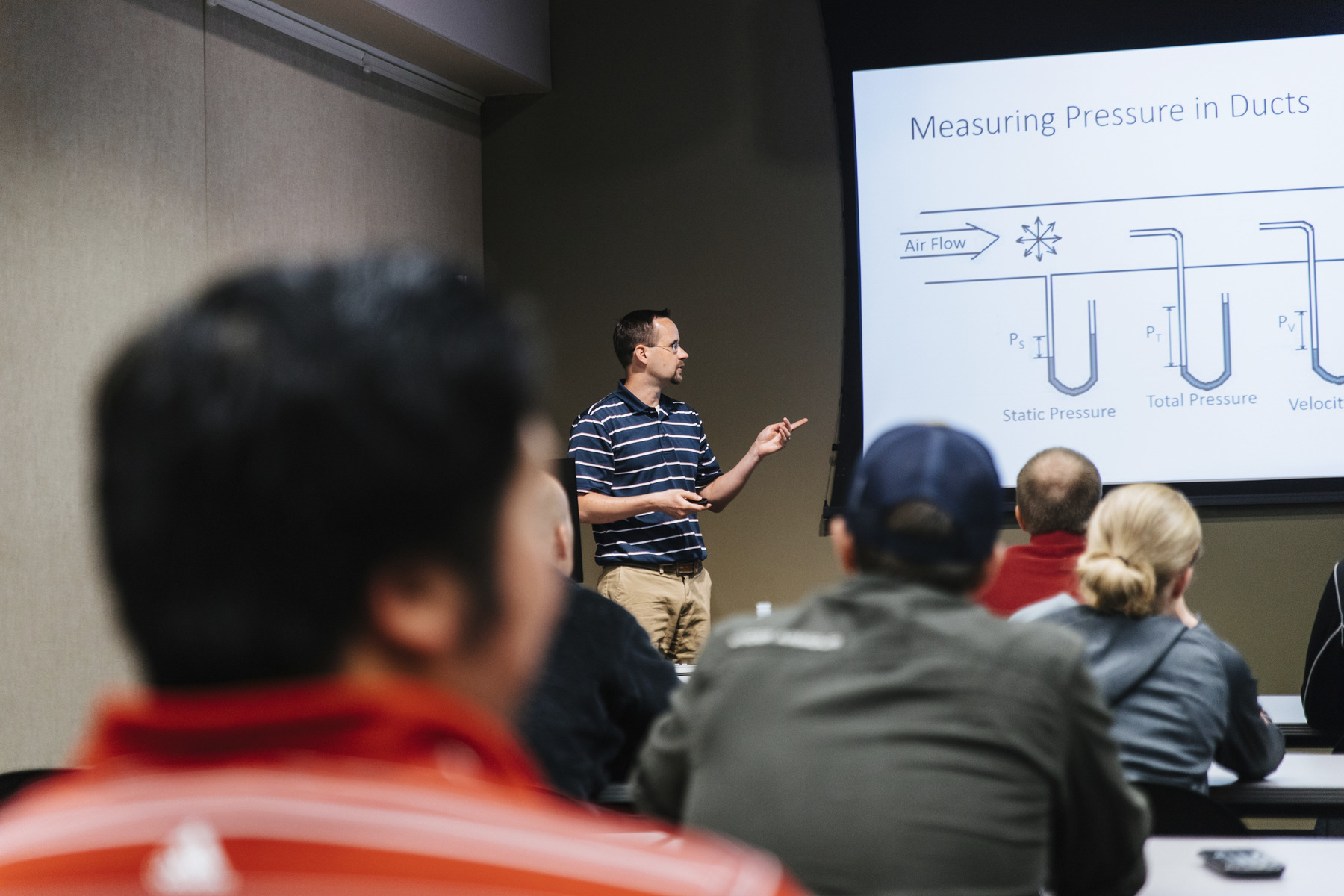
The Professional Engineering Exam (the PE) is one of the most defining (and stressful) times in any engineer’s career. A professional engineer is licensed to practice engineering and has the authority to sign and seal engineering plans. To become a PE, you generally must meet ...
Read More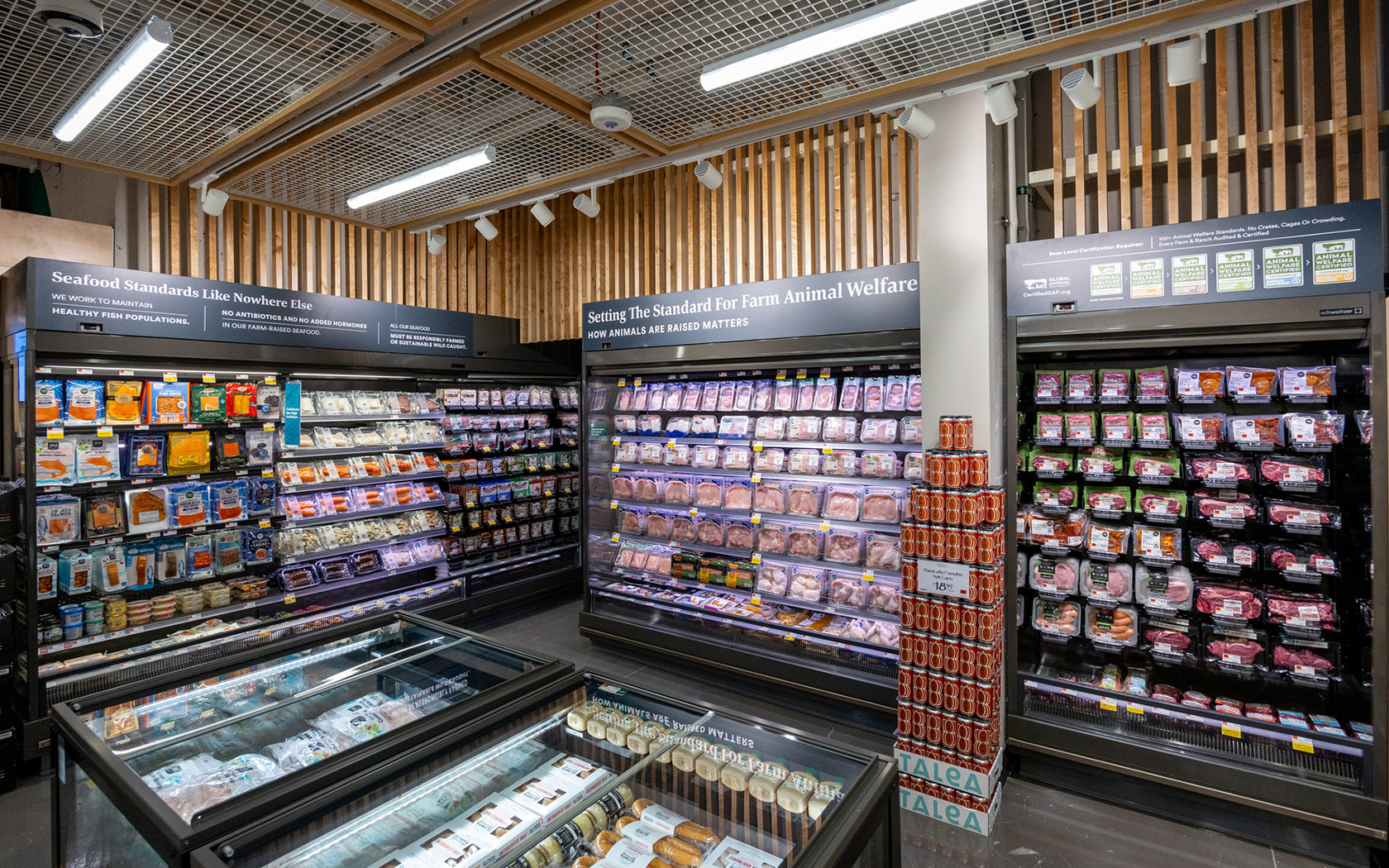
Rapid policy evolution, overlapping rulemakings, and ongoing proposals have created confusion across the refrigeration industry. As we start 2026, Henderson is here to help you distinguish what is officially in effect from what remains proposed, so you can make informed, resilient decisions. ...
Read MoreJoin our email list to get the latest design innovations, technical content, new projects, and research from Henderson’s experts delivered straight to your inbox.