
While consumers simply “Add to Cart,” a sophisticated world of automation powers every step between online ordering and doorstep delivery. Retailers today rely on a vast network of robotics, data-driven controls, and energy-efficient systems to keep pace with surging demand – making automation the backbone of modern retail. With online sales surpassing $1.3 trillion in 2024, fulfillment centers are scaling automation at record speed to deliver faster, smarter, and more sustainably than ever before. And Henderson delivers the fulfillment centers of the future.
As order volumes climb and fulfillment timelines tighten, warehouses are transforming into intelligent ecosystems with complex mechanical, electrical, plumbing, and fire protection (MEPF) systems operating seamlessly around the clock. These advances introduce new challenges: increased energy consumption, greater fire and safety risks, and the need for infrastructure that can adapt to future technologies. Henderson meets those challenges head-on by designing MEPF systems that anticipate the operational needs of large-scale logistics. We create facilities that reduce downtime, save energy, and remain resilient and sustainable long-term.
Automated warehouses demand significantly more power than traditional storage facilities of the past. This often requires substantial electrical upgrades from the electric utility to the building and within the building itself.
Downtime can cost an owner thousands of dollars per hour, depending on how much product is moving through the facility. Every dock door has a prescribed dollar per day of product flow that scales up with the size of the facility. An electrical outage can create a lengthy process of rebooting the advanced computer systems that run automated storage and retrieval systems (ASRS) and recall bots that have stopped mid-stream within the racking. It can take hours to get a large ASRS back up and running.
To minimize downtime, we recommend backup generation via uninterruptable power supply (UPS) for computer systems, diesel generators for other non-computer based loads, or natural gas fuel cells. These systems are essential to keep ASRS up and running.
There are a lot of other factors to consider when it comes to electrical systems, including surge protections, over/under voltage protection, and harmonic (electrical harmonics can lead to equipment failure and decreased efficiency) mitigation to ensure these facilities run optimally and with minimal disruption. We help you take all these factors into consideration to create a facility optimized for your needs.
As automation increases, fire protection challenges grow more complex, positioning modern fulfilment centers to face higher fire and safety risks than the traditional warehouse. High-density storage, extensive electrical systems, and robotics all raise the likelihood and complexity of fire events and make suppression system design more critical than ever.
For ASRS, robotics and plastic storage totes are primary concerns. Lithium-Ion batteries (LIBs) typically power these robotics, adding a fire risk. Robotics also can move a fire around the storage array. Tote type and the storage configuration can impact the sprinkler protection required codes and standards.
Depending on the storage height above top in-rack sprinklers, additional in-rack level sprinklers may need to be added, which increases system complexity and hydraulic demand. Ceiling heights also change hydraulic demands. A 5 feet ceiling increase can more than double water pressure requirements, requiring a need for larger fire pumps and tanks. This increases building cost and footprint.
Growth brings choices, and as operations evolve, facilities face the decision to upgrade existing buildings or start fresh. Designing practical solutions for today’s expectations while preparing for tomorrow is a delicate balance.
Retrofitting
Retrofitting leverages current infrastructure and can be cost-effective, but it requires strategic solutions to navigate space, energy, water constraints, and the need to remain in operation during retrofit to prevent financial losses. Here are some things we keep in mind as we approach modernizing a fulfillment center to help best meet future shipping demands:
Building New
Building new offers a clean slate to optimize layouts, systems, and sustainability, but involves significant planning to ensure the space is efficient, resilient, and equipped for future growth. We partner with you from the beginning to plan a facility with energy efficiency, optimization, and future-proofing at the heart of its design from its structure to the integrated MEPF systems.
Automation and robotics often allow for taller structures than traditional racking systems, making it easier to get higher pallet densities and lower utilities footprint. This can reduce piping and electrical runs, reducing costs in material, labor, stands/supports, etc. Some of these taller structures can be rack supported, meaning the racks are designed to support the structural load of the building, which can lead to savings in material and labor.
Automated warehouses are the backbone of modern commerce and fulfillment, supporting increasing consumer demands and powering retailers of the future. There’s a lot to consider in how to optimize these facilities for the demands of today and tomorrow, while keeping systems running smoothly.
Henderson’s deep experience in logistics and distribution centers can help you bring a new facility to life or modernize an existing facility. We’re your partners through the life of the building, helping you turn design into reality and optimize your ongoing building performance to help you meet your operational, sustainability, and performance goals.




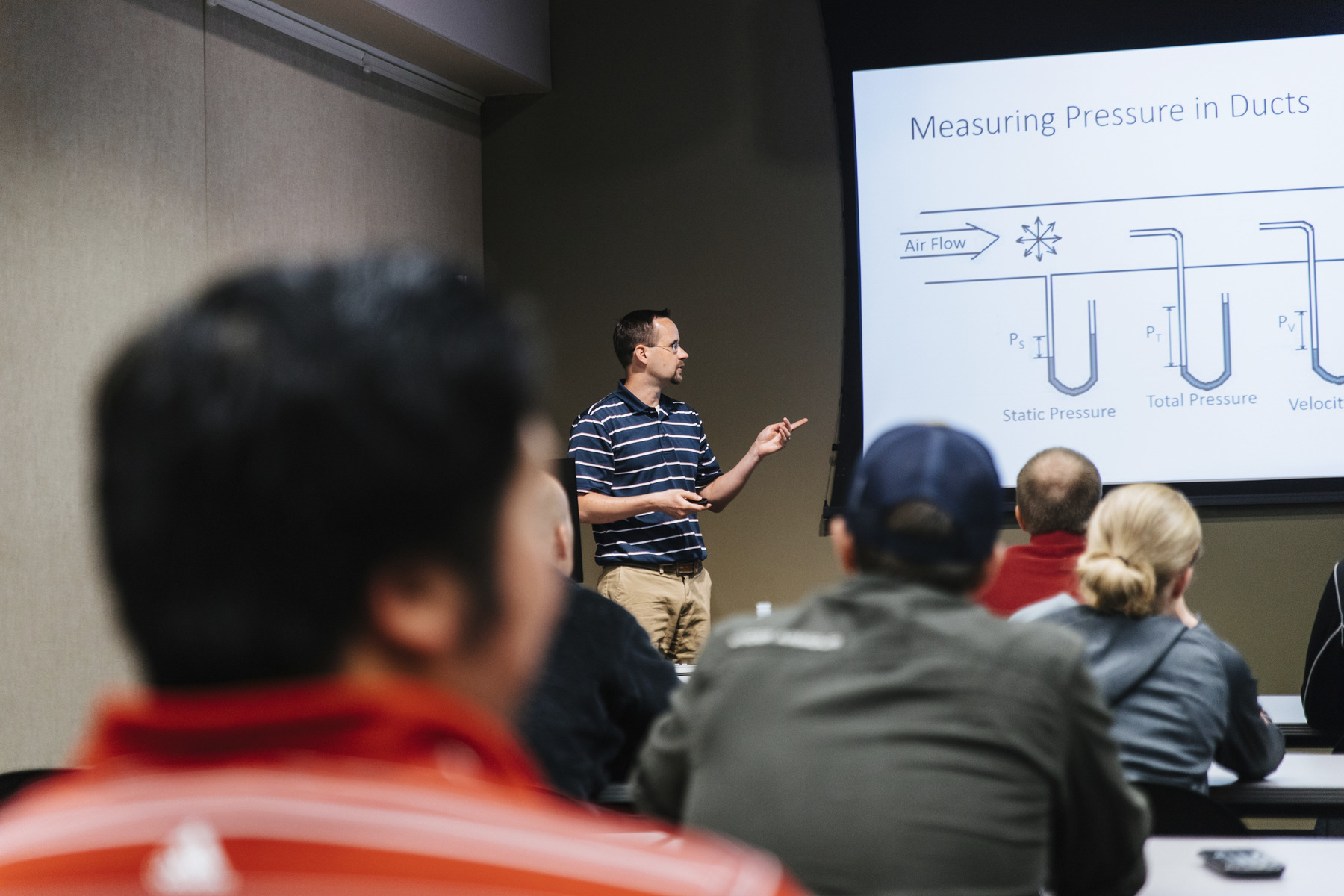
The Professional Engineering Exam (the PE) is one of the most defining (and stressful) times in any engineer’s career. A professional engineer is licensed to practice engineering and has the authority to sign and seal engineering plans. To become a PE, you generally must meet ...
Read More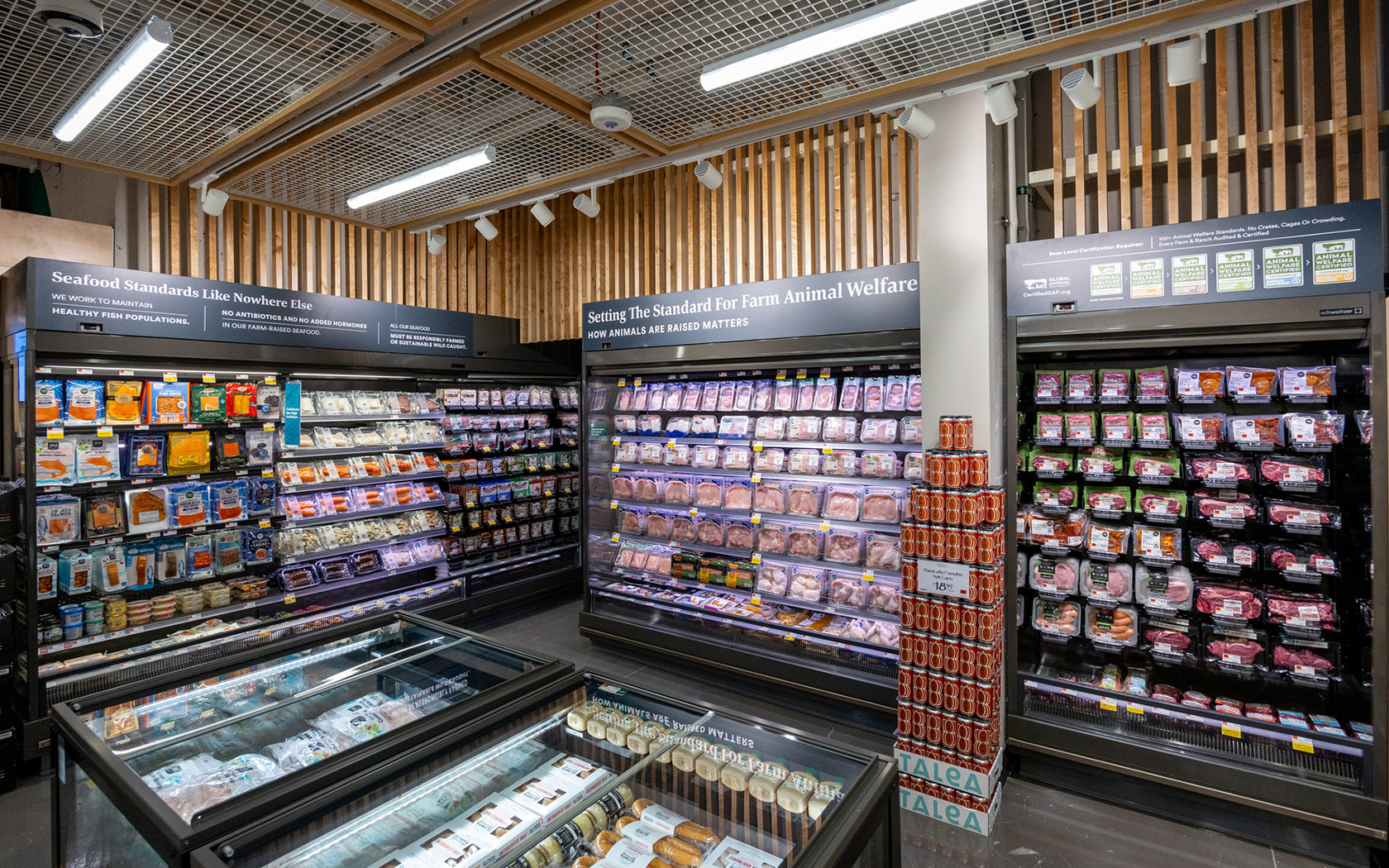
Rapid policy evolution, overlapping rulemakings, and ongoing proposals have created confusion across the refrigeration industry. As we start 2026, Henderson is here to help you distinguish what is officially in effect from what remains proposed, so you can make informed, resilient decisions. ...
Read MoreJoin our email list to get the latest design innovations, technical content, new projects, and research from Henderson’s experts delivered straight to your inbox.