

Home / Insights / Thought Leadership
Smarter Facility Utilities: Planning for Today and Tomorrow
Today’s industrial facilities rely on increasingly sophisticated technology and utility infrastructure to keep operations moving. Process equipment, robotics, data networks, compressed air, power distribution, refrigeration, and other critical systems all bring their own requirements. Those requirements can change as quickly as the business does.
That creates a challenge for owners planning a new facility or tenant transition: How do you build enough infrastructure to support what you need today without sacrificing future needs? The answer isn’t simply to build bigger but to design smarter systems that support long-term goals, efficiency, and operational resiliency.
Start with operation, not equipment
Different technologies have different infrastructure needs. One process may have significant electrical demand, while another may rely more heavily on compressed air or natural gas. Thermal environmental requirements can vary, too.
That’s why we start by understanding what the facility requirements are, both now and in the future, before deciding what infrastructure it needs to support it. That means asking:
- What equipment will the facility use when it opens?
- What could change in two, five, or 10 years?
- How much capacity does the operation actually need at each stage?
- Which systems are critical to keeping the operation running?
- Where does it make sense to build in additional capacity?
- Does planning for future capacity make more sense through a phased approach?
Sounds straightforward, right? Well, the answers significantly impact planning and design.
Flexibility, adaptability, and future-proofing
In facility planning, “flexible” and “adaptable” can mean different things based on the owner’s operational goals. In our world, flexibility means designing a space or system to accommodate a broad range of potential uses. This approach can make sense when an owner doesn’t know exactly what equipment, process, or tenant requirements, such as utilities, may come next. If tenant requirements are unknown, for example, utilities needs may be uncertain. It’s important to consider increased energy consumption, greater fire and safety risks, and the need for infrastructure that can adapt to future technologies.
Adaptability means preparing for known change. The future may still hold some uncertainty, but the owner expects the operation to evolve in a predictable way.
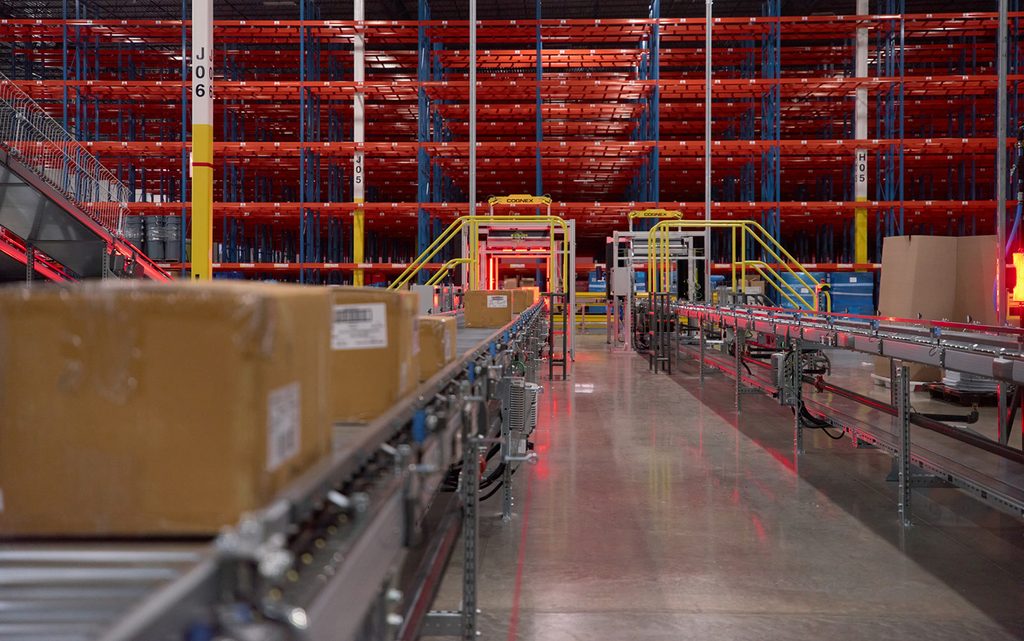
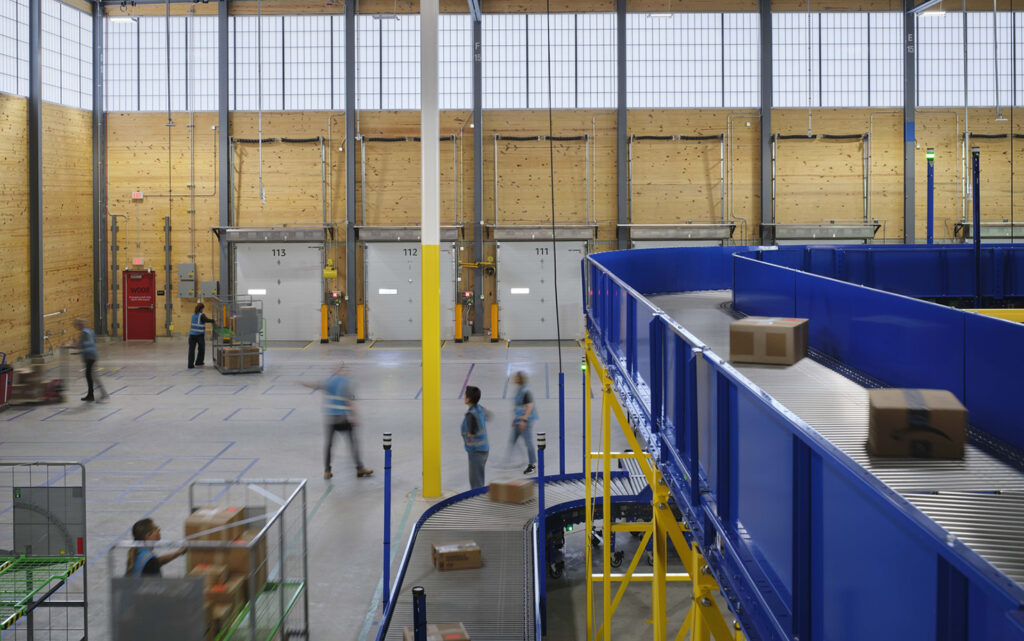
We can look at automated warehouses. These types of buildings require far more power than traditional storage facilities. Meeting that demand often requires significant electrical upgrades, both from the utility to the building and throughout the building’s internal electrical infrastructure. The important part is understanding what kind of change the facility may need to accommodate and designing for that change intentionally.
Consider an aerospace or defense operation. A production line may need to accommodate a new model every few years. The overall process remains similar, but the equipment and configuration can change, and therefore that facility needs infrastructure that can adapt to those changes. A facility supporting contract manufacturing for a wide range of customers may need something different. Its requirements could shift more dramatically based on what it produces at a given time, making flexibility a higher priority.
Match capacity to demand
A common instinct is to build in as much capacity as possible. It feels safe when tenant needs are ambiguous or unknown. If the facility has more power, utility capacity, or infrastructure than it needs today, in theory, it should be ready for whatever comes next. However, if demand outgrows the infrastructure, owners can face expensive upgrades, operational disruptions, or limitations on how quickly the facility can grow. The additional capacity carries an inherent maintenance cost over time. There’s also potential for inefficiency operating oversized systems at low or inconsistent demand.
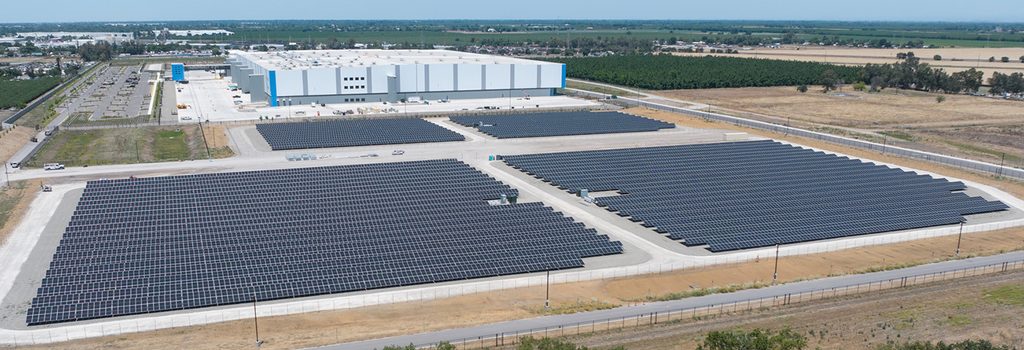
We want to avoid both extremes, so demand matches available capacity. It can mean designing a central utility plant to serve multiple phases of a development while fitting out only the equipment needed for the initial phase. As demand increases, additional capacity can come online. This approach lets owners make the right investment at the right time rather than paying for the entire future on day one. It also creates a more deliberate conversation about capital: What needs funding now, what can wait, and what should we preserve the ability to add later?
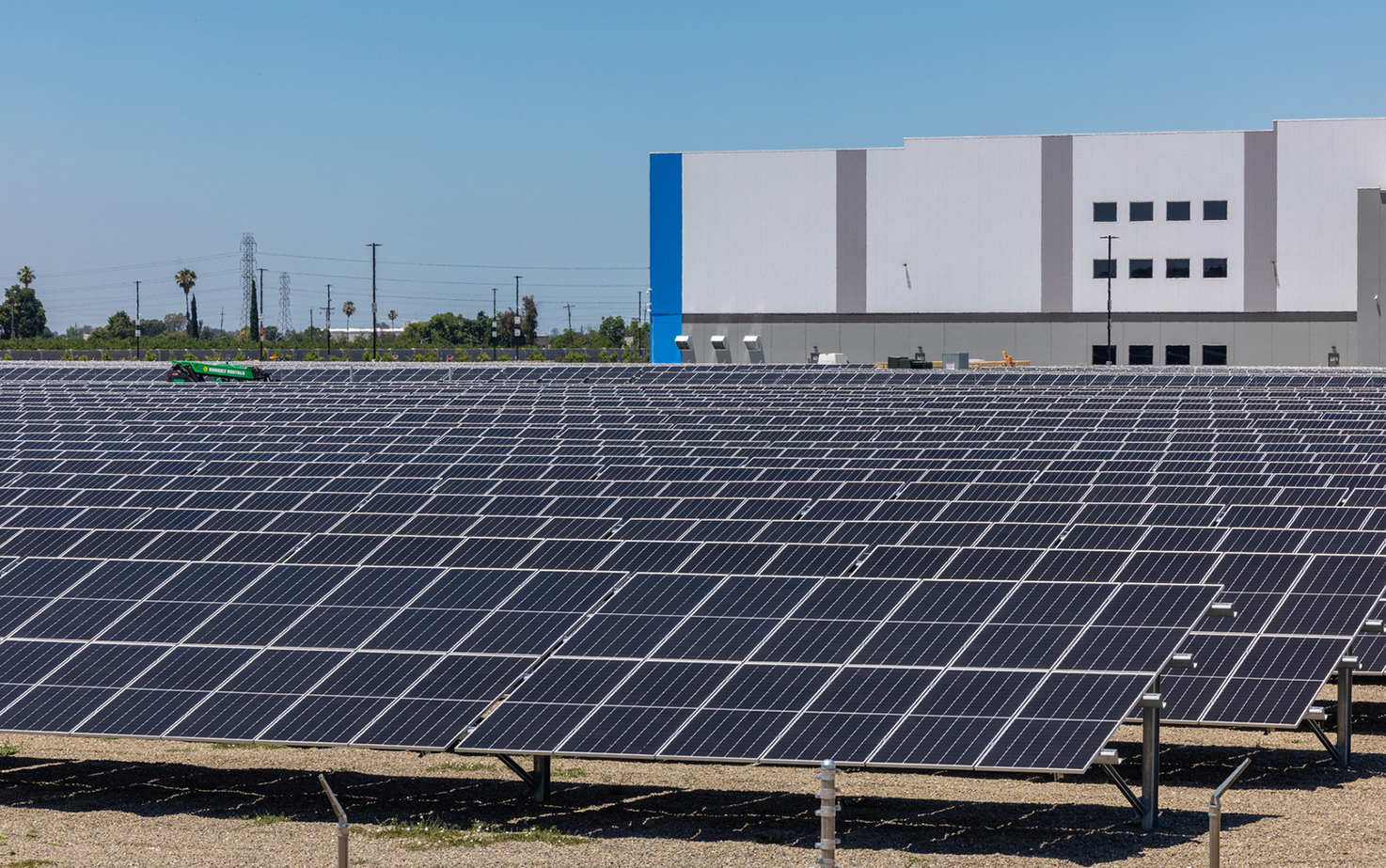
For facilities facing growing energy demands, renewable energy can be more than a sustainability strategy. Combined with energy storage, other power sources, and active energy management, it can become an important part of a broader strategy for improving reliability, managing costs, and gaining greater control over facility energy use.
Bring utility planning into the conversation early
Oftentimes, the capital plan is already established by the time the engineering team gets involved. At that point, the conversation becomes, “How do we make the design fit within this budget?” Sometimes that’s exactly what the project needs. But engineering can have a bigger impact when owners bring our team into the conversation early in the process.
In some cases, the owner may already understand where priorities lie and instead needs help validating their plan. On the other hand, some owners know where they want to go but need help figuring out how to get there.
This is when we would ask important questions like:
- What does the facility need to do on day one?
- What changes five years after opening?
- Can you anticipate when the operation needs its next major increase in capacity?
- What equipment has long lead times?
- What infrastructure needs to be in place before that equipment arrives?
Those answers help turn a capital plan from a static budget into a roadmap.
Plan for the building’s real life
Industrial facilities don’t operate in vacuums, and strong utility planning recognizes that reality without trying to predict the future perfectly. Instead, we like to give owners options. That might mean reserving space for future equipment or designing infrastructure that can accommodate a range of systems. Phasing utility investments or establishing clear limits around how much flexibility the project needs are essential to making informed decisions about where flexibility creates value. When we bring those conversations into capital planning early, we can help owners make better decisions about where to invest, where to phase, and where to leave room for what comes next.
We can help owners and operators understand the difference between simply adding capacity vs. creating a facility that can keep pace with business. The strongest facility infrastructure strategy isn’t necessarily the one with the most capacity. It’s the one that aligns infrastructure with the operation, capital with demand, and today’s investment with tomorrow’s opportunities.
Henderson’s experience in industrial and manufacturing facilities can help you bring a new facility to life or modernize an existing facility. We’re your partners for the life of the building, helping you turn design into reality and optimize facilities to help you meet your operational and performance goals.



Recent Insights
Can You Solve the Net Zero Carbon Rubik’s Cube?
Net zero carbon is the point where global warming stops accelerating. The longer it takes to reach net zero, the…
For decades, stadiums and arenas had a straightforward purpose. They hosted games for a home team, welcomed fans on game…