

Home / Insights / Thought Leadership
How to Meet Sustainability and Energy Cost Goals Despite Increasing Prices
Electricity prices are increasing faster than the rate of inflation, with an expected 13-18% increase forecasted to 2026, according to the US Energy Information Administration Short-Term Energy Outlook. Some regions in the U.S. – the Pacific, Middle Atlantic, and New England – could increase more than the national average (13%), as these regions already pay more per kilowatt-hour for electricity compared to the rest of the country. This rise poses a significant risk to building owners’ budgets and operations.
For building owners, this trend emphasizes the need for optimizing energy efficiency and ensuring the operational continuity of facilities. At Henderson, we integrate sustainable and regenerative practices in how our buildings are designed, constructed, and operated to drive real and measurable change. Our goal is for building owners to meet their climate goals, while still optimizing energy costs.
Building Design for Energy Efficiency
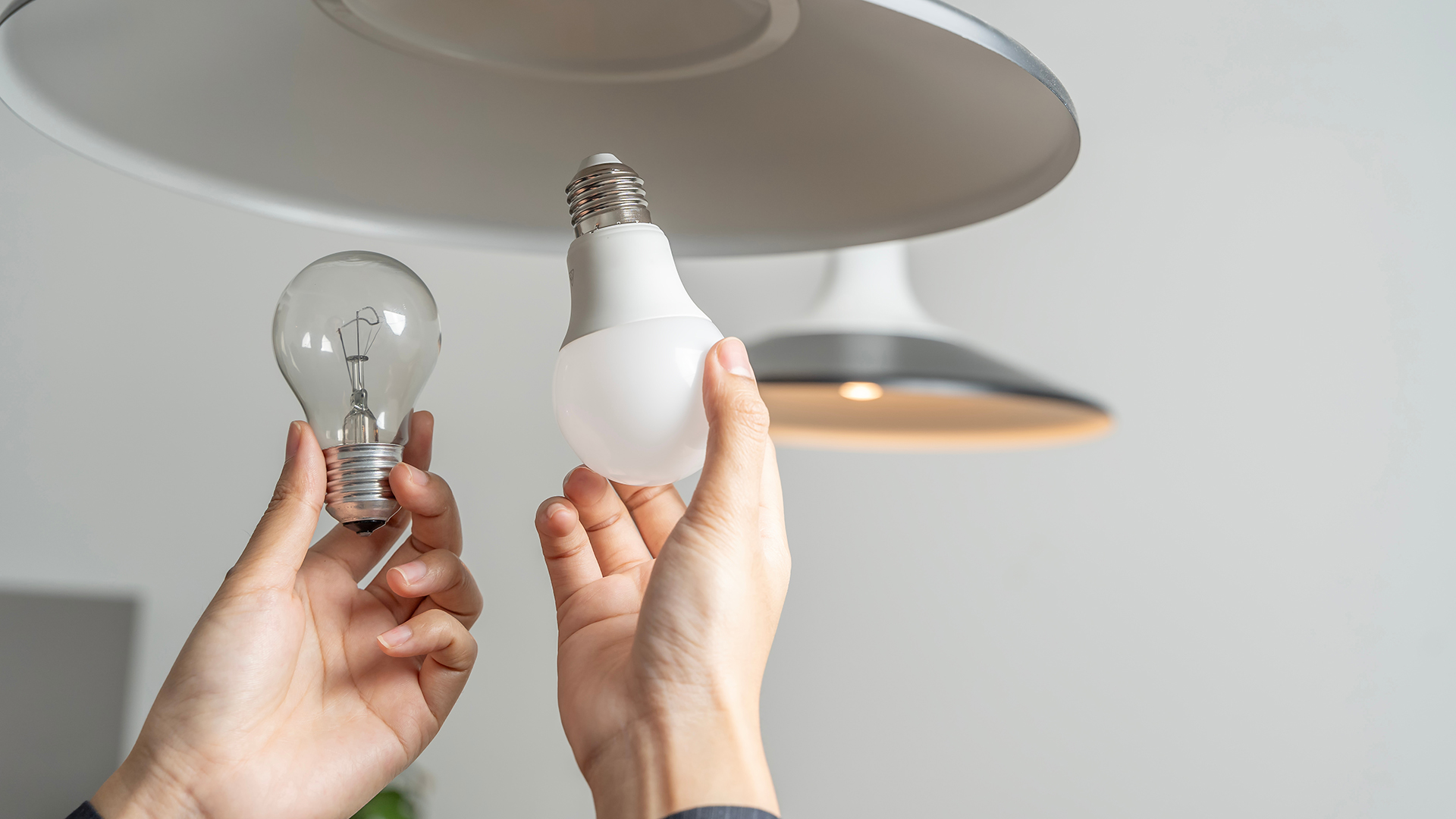
Creating a sustainable, optimal facility is more than just installing a few LED lightbulbs and calling it a day. It requires a holistic approach to how the physical space and building systems work together to create an optimal, sustainable, cost stable, and resilient environment.
Energy modeling is crucial for predicting energy consumption, efficiency, costs, and making informed decisions regarding energy management. At Henderson, we apply modeling throughout the project lifecycle to inform, support, and document designed performance. The earlier this analysis begins in the design process, the better outcome of energy goals, reduced heating and cooling loads, and optimizing heating, ventilation, and air conditioning (HVAC) system selections. Our energy modeling work provides cost comparisons alongside energy metrics to ensure cost optimization.
As we consider building design, physical elements of the facility can greatly impact energy efficiency. Various passive air pretreatment methods, like the ones used in the Docking State Office Building in Kansas, demonstrate how thoughtful design can result in significant energy savings. The annual utility cost savings for the Docking State Office Building comes in over 50% less than a typical code compliant building.
A thermal labyrinth, the primary design element employed to precondition the outdoor air, was installed inside the Docking State Office Building in an unused area of the basement. It utilizes concrete block and ground mass to exchange sensible heat with the air passing through it. Through heat exchange with the ground and mass walls, it pre-cools summer air and pre-heats winter air. Leveraging free passive heating and cooling provided by the labyrinth, this system cuts the building’s ventilation cooling load by 95% and the heating load by 77%.
In the winter, transpired solar collectors, perforated metal panels mounted to the exterior of the building, are employed alone or in conjunction with the thermal labyrinth to preheat the outdoor air for the Docking State Office Building. Solar heat provided by the sun warms the metal panel and the air across the panel surface. The warmed outdoor air is pulled in through outdoor air intakes behind the panels, providing preheated outdoor air without expending additional energy. This collected outdoor air feeds into the building’s thermal labyrinth or feeds directly into the air handling unit responsible for conditioning the building’s atrium.

Additionally, insulation enhancements, LED lighting upgrades, and utilizing automated building controls are effective strategies to help reduce overall energy consumption. High-performance glazing and continuous insulation can also reduce heating and cooling loads to enable smaller, more efficient HVAC systems.
These holistic, integrated systems are expected to cut energy costs and carbon emissions in half every year for the life of the building.
Building Electrification
There is a growing shift toward building electrification across multiple industries, from healthcare to retail. Electrification means fully relying on electricity, rather than relying on fossil fuels for heating, cooling, and other critical operations. It can improve system efficiency, lower building operating costs, and is the starting line for carbon negative buildings.
Engineered by Henderson Engineers, the new Prosser Memorial Health Hospital in Prosser, Wash., incorporates all-electric systems. It’s estimated to avoid 50% more greenhouse gas emissions over the next 25 years than a facility burning fossil fuels. Strategies focusing on electrification, decarbonization, and sustainability in health care facilities like Prosser are expected to help realize $15 billion in savings in the next ten years across the industry. Implementing sustainable, decarbonized solutions doesn’t have to be more expensive.
HVAC systems typically have a high energy demand, and modern electric HVAC systems, such as heat pumps, are viable alternatives to traditional fossil-fuel based systems. Electric heat pumps can offer up to three to five times the efficiency of conventional natural gas boilers, reducing energy use and emissions. Electric systems generally require less maintenance, which results in reduced costs.
Robust load management strategies are needed though, as electrification can increase the electrical load of a facility. Demand response programs allow facilities to adjust their electricity usage based on utility provider signals, often during peak demand hours or when electricity prices are high. By utilizing demand response programs and advanced control systems, facilities shift non-critical loads, capture utility incentives, and reduce rates. For example, pre-cooling a building during off-peak hours reduces demand charges and enhances grid stability. Electrification of buildings often opens new avenues for utility cost savings.
Energy Storage and Savings
The advancement of renewable integration technologies and energy storage allow buildings to produce power on-site and reserve it for use during the most in-demand periods. This reduces the reliance on the grid, stabilizes energy supply, and avoids excessive energy costs during high-rate periods.
With energy storage, facilities have greater control of their energy, while reducing utility demand charges and taking advantage of time-of-use electricity rates. Facilities can also leverage buying energy in bulk, through community solar programs or power purchase agreements, to lower electricity costs. Pairing on-site solar or wind energy with battery storage further advances efficiency, reduces peak demand charges, provides backup during outages, and reduces reliance on the external grid. Using stored renewable energy during times with high electricity rates can reduce operational costs. In many cases, diesel generator backup power systems can be supplemented or replaced by battery storage and microgrids for a sustainable, quieter, healthier, and resilient solution.
Financial and Community Benefits
Driving down energy related costs rarely conflicts with sustainability goals. Every dollar saved on utility costs typically drives down carbon emissions and unlocks a host of other benefits from financial incentives and funding, community engagement, and marketing opportunities. Fewer emissions mean better air quality, measurable positive health outcomes, and a general increase in our well-being. And if teams are ready to dig even deeper there are additional opportunities to leverage buildings systems to more fully address resilience, risk management, future regulatory compliance, and decrease budgetary uncertainty tied to operations, maintenance, and utility costs.
Buildings are no longer just energy consumers. They can be nimble power plants tuned to the larger grid with the ability to help increase reliability, resilience, and operational cost optimization.
Building a Better World
Henderson is committed to achieving net zero carbon on all projects by 2040, providing sustainable and regenerative design solutions to help you realize the full value and potential in your building to help build a better world. Energy usage is an on-going cost, and proactively designing efficient systems, monitoring system success, and building resiliency as prices change ensures the long-term success of your buildings.


Recent Insights
Smarter Facility Utilities: Planning for Today and Tomorrow
Today’s industrial facilities rely on increasingly sophisticated technology and utility infrastructure to keep operations moving. Process equipment, robotics, data networks,…
Can You Solve the Net Zero Carbon Rubik’s Cube?
Net zero carbon is the point where global warming stops accelerating. The longer it takes to reach net zero, the…