

Home / Insights / Thought Leadership
Don’t Write Off MEP Embodied Carbon’s Impact
A building’s carbon story is mostly written by mechanical, electrical, and plumbing (MEP) systems. Often, building decarbonization strategies focus on operational energy and structural materials. MEP systems typically receive less attention, but that approach overlooks one of the largest contributors to building carbon impacts. Initial case studies suggest MEP systems account for as much as 52% of overall embodied carbon and 73% of whole life carbon. When it comes to your building’s story, reducing embodied carbon is essential to the plot.
Embodied carbon is the greenhouse gas emitted across a building’s material life cycle: raw material extraction, manufacturing, transport, construction, maintenance and replacement, and eventual end of life. MEP equipment is a major embodied carbon driver, and projects that quantify MEP embodied carbon can make smarter equipment selections upfront.
Reducing MEP’s embodied carbon impact is something Henderson is deeply passionate about. As a proud signatory of the MEP 2040 commitment, we’re committed to achieving net zero carbon on all projects by 2040. We’ve helped author “The Beginner’s Guide to MEP Embodied Carbon, V2” and the “MEP 2040 Whole Life Carbon Pilot Findings and Gap Analysis Report” to educate the industry on best practices. That work gives us a practical perspective on what carbon reductions look like in real projects: identifying high-impact systems, improving data quality, evaluating refrigerant impacts, and incorporating carbon considerations into equipment selection, specifications, and procurement strategies.
Preserving Goals in New Building Life Chapters
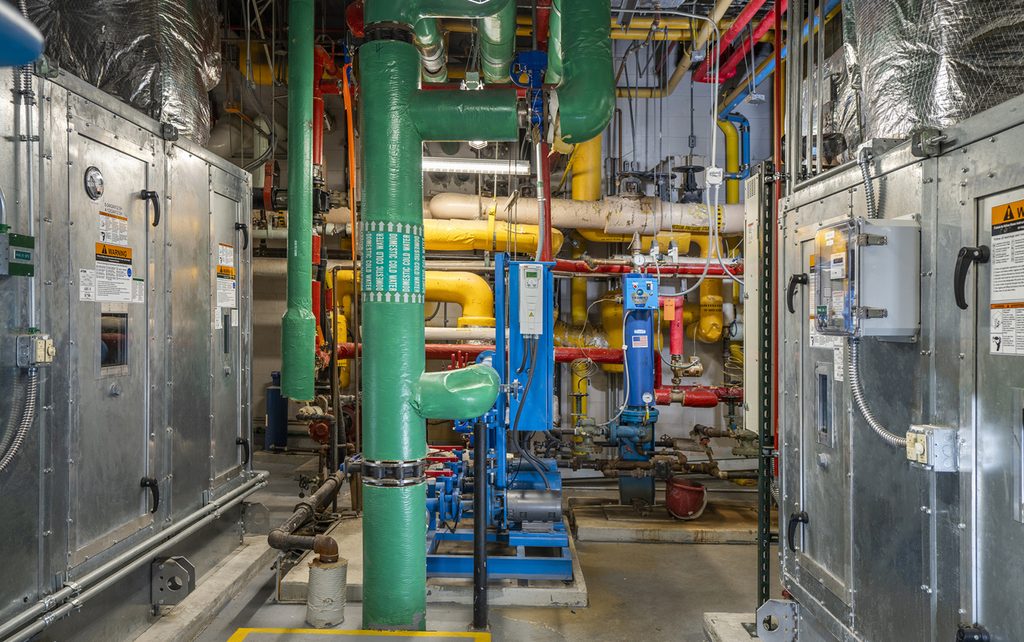
The embodied carbon story starts with ductwork, air handling units, wiring, light fixtures, and plumbing piping. They often show the highest upfront embodied carbon impacts, as illustrated in the 19 buildings evaluated for the “MEP 2040 Whole Life Carbon Pilot Findings and Gap Analysis Report.” Building typology, layout, and design decisions greatly influence carbon outcomes.
But MEP embodied carbon is not limited to the impacts of equipment at installation. Mechanical equipment, piping, and other MEP systems can have significant upfront impacts, while frequent replacement and fugitive refrigerant emissions can add substantial carbon over the life of a building. A whole-life approach considers these impacts together, allowing design teams to evaluate not only what goes into a building, but how long those systems last, what needs to be replaced, and what emissions may occur during operation.
While industry data is not yet complete enough to establish an MEP embodied carbon baseline for a typical building, we begin a whole-life approach by identifying the systems and components driving the greatest impacts and evaluating alternatives early enough to influence design. From there, we can optimize equipment sizing and selection, reduce material and piping quantities, evaluate refrigerant impacts and service life, and incorporate carbon-conscious criteria into specifications and procurement. The result is an MEP design that considers carbon alongside the traditional priorities of performance, cost, and constructability.
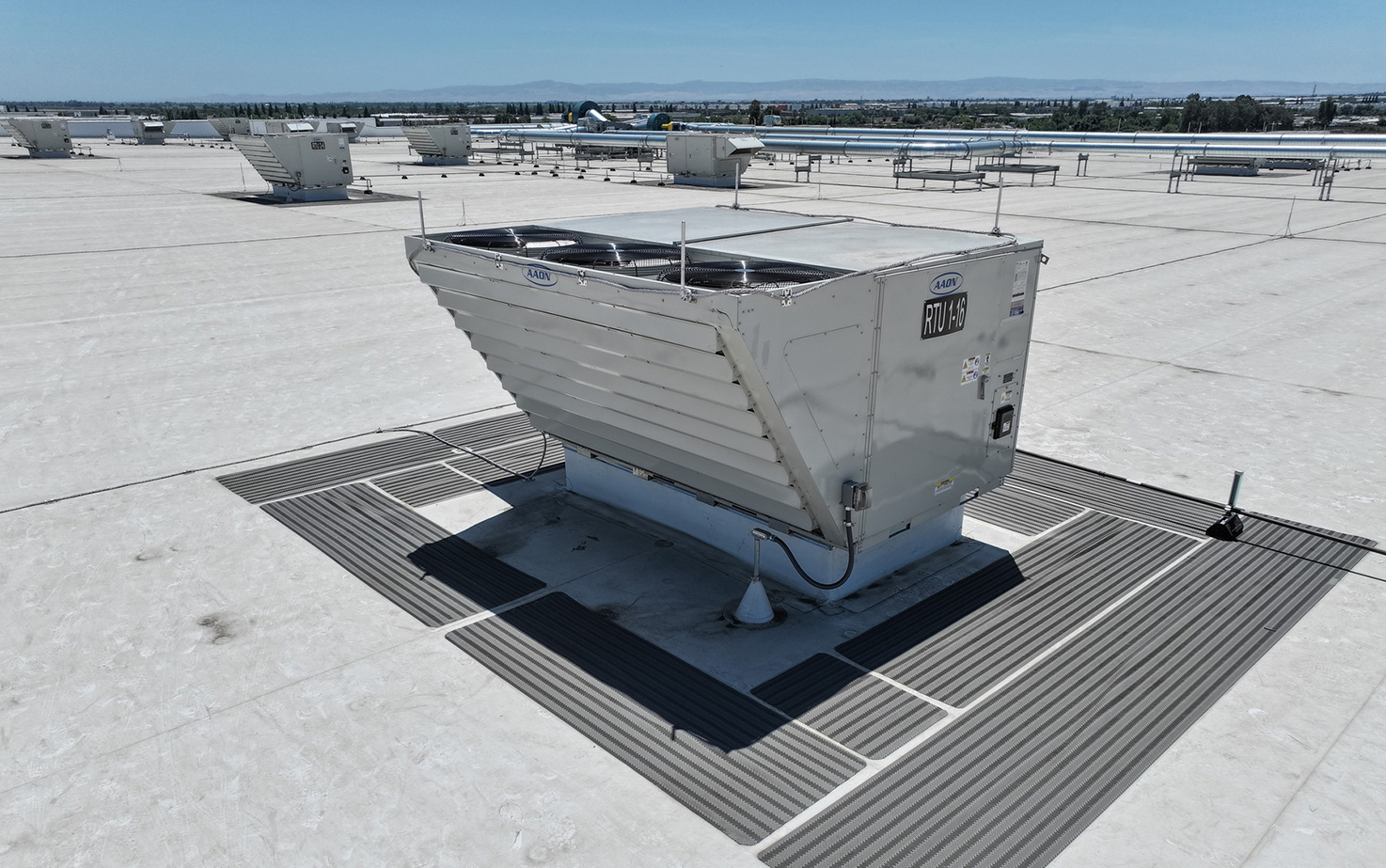
Our work on Amazon’s all-electric DII5 Delivery Station is a great example of going beyond operational energy. The integrated project team targeted embodied carbon hotspots — concrete, steel, insulation, finishes, and mechanical systems — that historically have been the hardest to change in industrial buildings. More than 40 carbon reduction initiatives were incorporated into the design of this facility.
LEEDing Questions
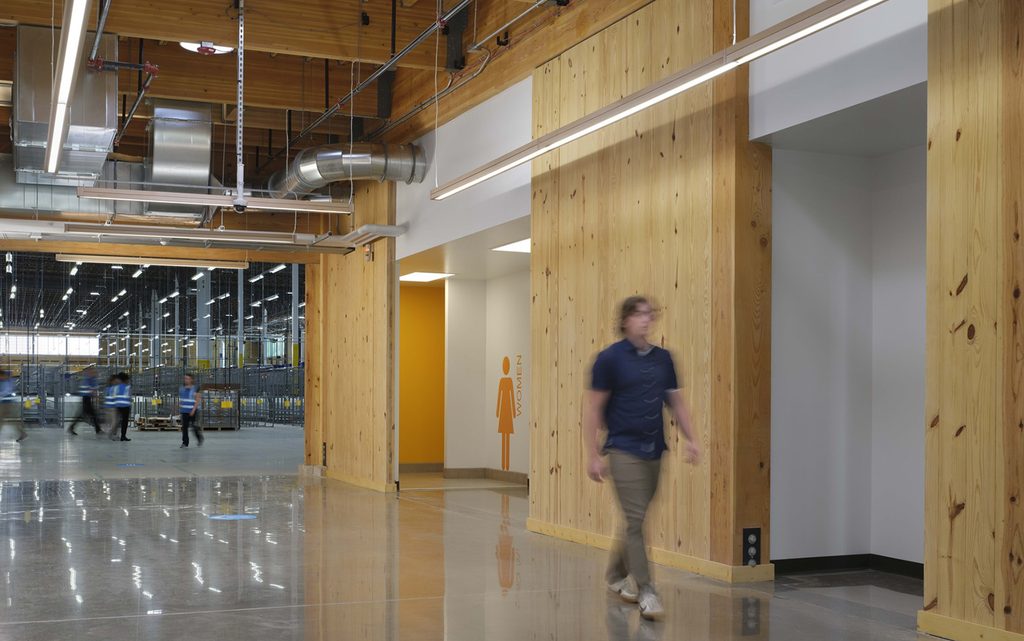
LEED certification frameworks are beginning to reflect the importance of MEP embodied carbon. Some projects pursuing LEED certification risk losing points if MEP is omitted in a life-cycle assessment (LCA). The LEED v.4.1 ID+C guidance specifically identifies non-structural partitions, piping, plumbing fixtures, ductwork, cabling, and fire suppression systems as materials that should be included within the assessment boundary where they are part of the project scope. This represents a broader accounting approach than many teams historically applied when conducting embodied carbon evaluations, which often focused primarily on architectural, structural, and hardscape materials. Under this rating system, 95% or more of all materials must have lifecycle impact data by floor area, quantity, or bill of materials line items.
Interestingly, LEED v5 ID+C took a step backwards and removed language regarding MEP systems in interiors lifecycle assessments. However, the LEEDv5 rating systems are moving forward in other areas to continue to push whole building carbon reduction while reflecting the realities of limited availability of MEP embodied carbon data. The Building Product Selection and Procurement credits for both LEED v5 BD+C and LEED v5 ID+C now include plumbing fixtures as an eligible product category. This credit encourages the use of products and materials that have sustainability information available and rewards the selection of products that are optimized across multiple criteria areas. One of the five criteria areas is Climate Health, which “refers to impacts or strategies that quantify, reduce, or reverse the embodied carbon emissions associated with a building product’s life-cycle.”
In addition to the inclusion of plumbing fixtures in the Building Product Selection and Procurement credit, MEP 2040 and USGBC partnered to launch a LEEDv5 pilot credit specific to embodied carbon and MEP products. It expands the multi-attribute sustainable documentation framework of the Building Product Selection and Procurement to an extensive list of MEP system components.
MEP Embodied Carbon Data Quality
With these LEEDv5 changes, MEP environmental product declarations (EPDs) are expected to carry even more weight. Those who adopt early build internal capacity now: developing the processes, expertise, and project workflows to identify MEP carbon hotspots, request and evaluate EPDs, assess data quality, and use that information to influence equipment and system selections early enough to affect the design.
Much of the industry still relies on proxy or generic data when product-specific information is unavailable. Proxy data uses environmental impact data from a similar, but not identical, product or material as a stand-in for the actual product being specified. The MEP 2040 guide recognizes this as a lower-quality form of data because differences in geography, technology, product specificity, and other factors can affect the accuracy of the LCA. Moving toward product-specific, geographically representative, and third-party verified EPDs can reduce uncertainty and give project teams better information for comparing and selecting MEP products.
Refrigerant Leakage Rates and the Whole Life Carbon Story
Singular LCA stages don’t tell the full story. Whole life cycle thinking with coordinated action across upfront embodied carbon, operational energy, and refrigerant impacts is essential for best performance. Greenhouse gas emissions from refrigerant leakage throughout the building lifecycle have a material impact on the whole life carbon story of the building.
Refrigerant selection, total system refrigerant charge, and leakage rates all matter. Leaks reduce system efficiency and increase carbon emissions from refrigerant loss. They drive up energy consumption and operating costs. As regulatory pressures mount, refrigerant management is no longer optional.
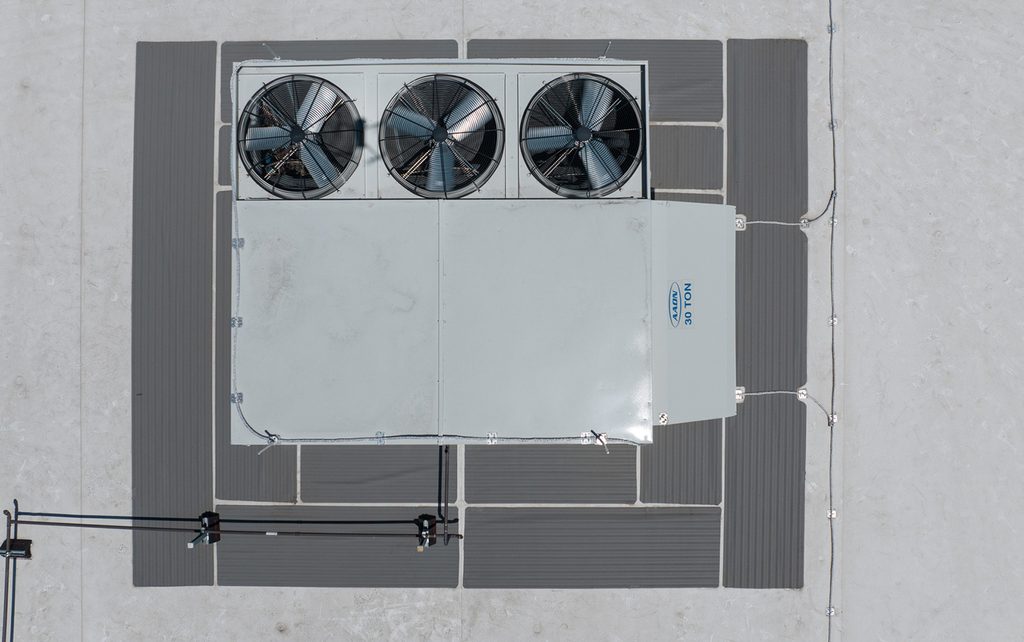
The design community hasn’t historically focused on pounds of refrigerant per ton of cooling, but comparing the refrigerant charge across vendors during design can maximize low-leakage, low-GWP solutions. Vendor comparisons on refrigerant charge alone have shown 40% variance between comparable products. Early evaluation of equipment and associated refrigerant options can provide a high-impact win to reduce lifecycle refrigerant emissions, particularly through lower-GWP refrigerants and reduced leakage.
Henderson leverages proven frameworks to improve system performance, reduce maintenance and operating costs, and future-proof assets as we proactively address refrigerant leakage. There’s no reason refrigerant management should end in eroded sustainability goals and bottom lines.

Your Partner for the Life of the Building
A building’s carbon story doesn’t end with a ride off into the sunset and permanent operational success. It’s a continual commitment to stewardship over the life of a building and adapting to changing facility needs. Embodied carbon is embedded in equipment maintenance and replacement, and extending the life of equipment through proper maintenance can reduce lifecycle carbon. In addition, while the importance of MEP embodied carbon is gaining recognition, for most buildings, operational carbon is still the largest piece of the whole life carbon pie. Henderson Building Solutions’ commissioning services can help you make sure the functionality and maintainability of your facility is on track for your decarbonization goals.
Henderson helps you make informed design decisions, comparing strategies and understanding how each choice impacts energy use, carbon footprint, and long-term costs. We want buildings to perform better, last longer, and support operational and climate goals. And that’s all backed by modernized and centralized building performance analytics that support better capital planning and facility management decisions.



Recent Insights
Your Warehouse Has Changed. Has Your Fire Protection System?
Across the country, building owners face a growing challenge: aging fire protection and alarm systems that no longer serve the…
There’s Levels to It: Why Vertical Transportation Matters in Healthcare
Facility operators and owners often focus on clinical capabilities and patient care when planning for growth, but infrastructure tells a compelling story of long-term performance. Elevators and…