

Home / Insights / Industry Training
Passive Fire Protection Requirements
COURSE OVERVIEW
Passive fire protection features are some of the most misunderstood and misapplied terms in the construction industry. While other industries may be able to bypass this knowledge, it is vital that healthcare facility staff, architects, designers, engineers, and contractors understand the appropriate terms and requirements to provide a code-compliant facility due to patients that are incapable of self-preservation. Passive fire protection, when maintained properly, will assist with limiting fire and smoke spread while allowing occupants and patients to evacuate to a safe area or exit the facility. This presentation will review the requirements and appropriate terminology for all fire- and smoke-rated construction utilized in healthcare. We will also explore some opening protectives and differences between NFPA 101 – Life Safety Code and the International Building Code. Case studies will be presented to cover some of the conflicting and duplicative requirements that often occur in the healthcare environment.
LEARNING OBJECTIVES
- Identify appropriate passive fire protection terms & requirements.
- Explain life safety protection through combination of active and passive fire protection features.
- Review building construction types.
- Define passive fire protection features and opening protectives.
CERTIFICATION
HOURS
1REQUEST COURSE
Contact Us to schedule a session for your team.Recent Industry Training
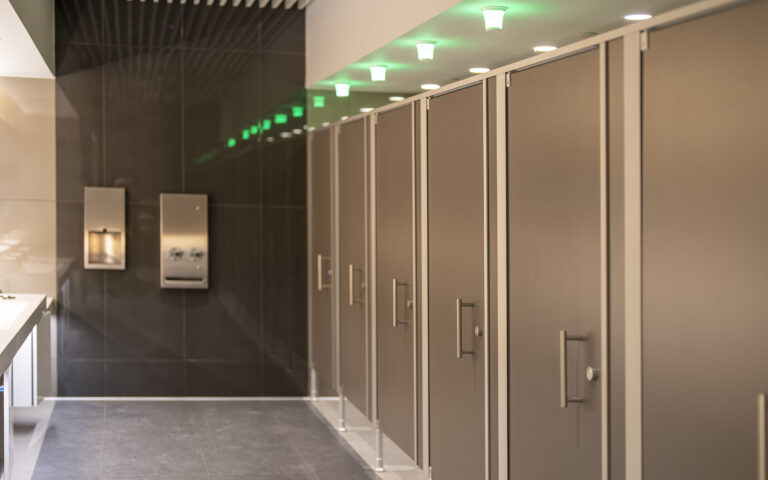
Design Considerations for All Gender Restrooms
COURSE OVERVIEW The industry’s focus and push towards inclusive design and full gender neutrality in restrooms is welcome across all…
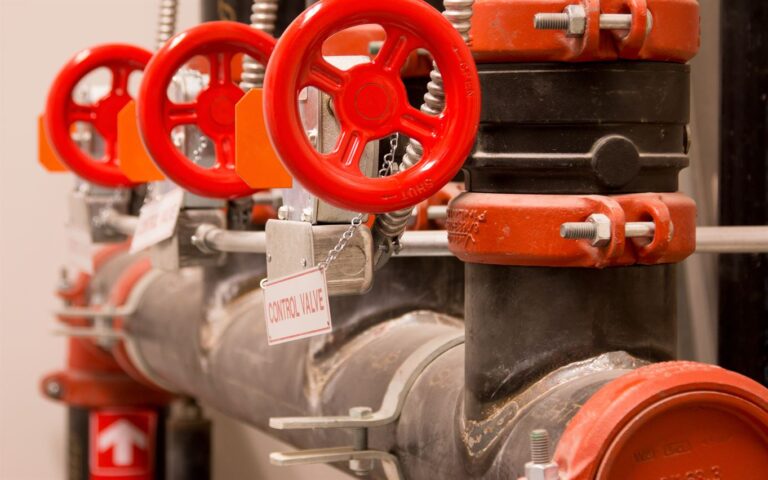
COURSE OVERVIEW We know two things: Today’s fires burn hotter and faster; the fire is often fully involved prior the…